01 · Custom Website Design
A website built for your business, not adapted from someone else’s.
We design custom websites that look like you, load fast on any phone and make it obvious what a visitor should do next. No themes bought off a marketplace and stretched to fit.
Most small business websites start life as a template. That’s fine until you notice your competitor has the same hero layout, the same icon row and the same three testimonial cards. A template decides your structure before anyone has asked what your customers need to see. A custom site starts from the other end: who is visiting, what they’re trying to find out, and what would make them pick up the phone.
Every site we design begins with the content and the decisions it needs to drive. We work out the pages, the order of information on each one, and where the calls to action sit, then design a visual system that fits your brand. You see real layouts with real copy, not lorem ipsum, so you can judge the site the way a customer will.
Then we build it on WordPress or a modern development framework, depending on the project. A business that publishes often and wants to edit everything itself is usually a good fit for WordPress. A site that needs to be extremely fast, secure and low-maintenance may be better served by a lighter build. We’ll explain the trade-off and recommend one, not push the same stack on everyone.
Since 2013 we’ve designed and built more than 70 websites for businesses on Long Island, in New York City and further afield. You work directly with the person designing and building your site, from the first call to launch day and after.
What’s included
What goes into a custom site
- 01
Site structure and page planning
A sitemap and page-by-page plan built around what your customers are searching for and the questions they need answered before they get in touch.
- 02
Custom visual design
Layouts, type, color and imagery designed for your brand. If you don’t have a brand system yet, we can build one alongside the site.
- 03
Conversion-focused layouts
Clear calls to action, forms that don’t ask for too much, and trust signals placed where hesitation happens, not scattered at random.
- 04
Copy and content support
Help shaping headlines, service descriptions and page copy so the words do as much work as the design. We can write from your notes or edit what you have.
- 05
Mobile-first, responsive build
Designed and tested for phones first, since that’s where most visitors arrive, then scaled up for tablets and desktops.
- 06
Speed and technical SEO foundations
Optimized images, lean code, clean page titles, structured headings, schema markup and a sitemap, so search engines can understand the site from day one.
- 07
Forms, tracking and integrations
Contact forms that reliably reach your inbox, Google Analytics and Tag Manager set up properly, and connections to booking, CRM or email tools you already use.
- 08
Launch and handover
Domain and DNS changes, redirects from your old site, final testing across devices, and a walkthrough so you know how to update it.
The difference
Template site vs custom site
Templates aren’t evil. They just make a lot of decisions before anyone has thought about your customers.
A bought template
- Layout decided by the theme’s demo, not your content
- Same look as many other businesses using the same theme
- Bundled sliders, animations and scripts you never asked for
- Slower pages, especially on phones
- Customizing beyond the demo gets awkward fast
- Calls to action wherever the template put them
A custom Smashbeat site
- Structure planned around what your customers need to know
- Visual design that belongs to your brand alone
- Only the code the site actually uses
- Built and tested mobile-first for speed
- Easy to extend when the business adds a service
- Every page designed around a clear next step
Why it matters
What changes when the site is yours
- You stop looking like everyone else
- A site designed for your business makes a sharper first impression than a theme dozens of other companies are also using.
- More visitors become inquiries
- When every page is planned around a next step, fewer people leave without contacting you. Pretty is good. Pretty and clear is better.
- Fast pages that hold attention
- Lean builds load quickly on mobile data, which keeps impatient visitors on the page and gives search engines one less reason to rank you lower.
- One accountable person
- The person you brief is the person designing and building your site, so nothing gets lost between the meeting and the work.
How it works
From first call to launch day
Step 1: Discovery
A conversation about your business, your customers, your competitors and what the site has to achieve. We review your current site and analytics if you have them.
Step 2: Structure and content
A sitemap and wireframes showing what goes on each page and in what order. This is where most of the conversion thinking happens.
Step 3: Design
Full designs for the key pages with real content, on desktop and mobile. You review, we refine, and nothing gets built until you’re happy with the direction.
Step 4: Build and test
Development on WordPress or a modern framework, then testing across browsers and devices, speed checks, form tests and an SEO review before launch.
Step 5: Launch and look after
We launch, monitor and fix anything that surfaces. After that, maintenance plans or a creative retainer keep the site healthy and improving.
Examples
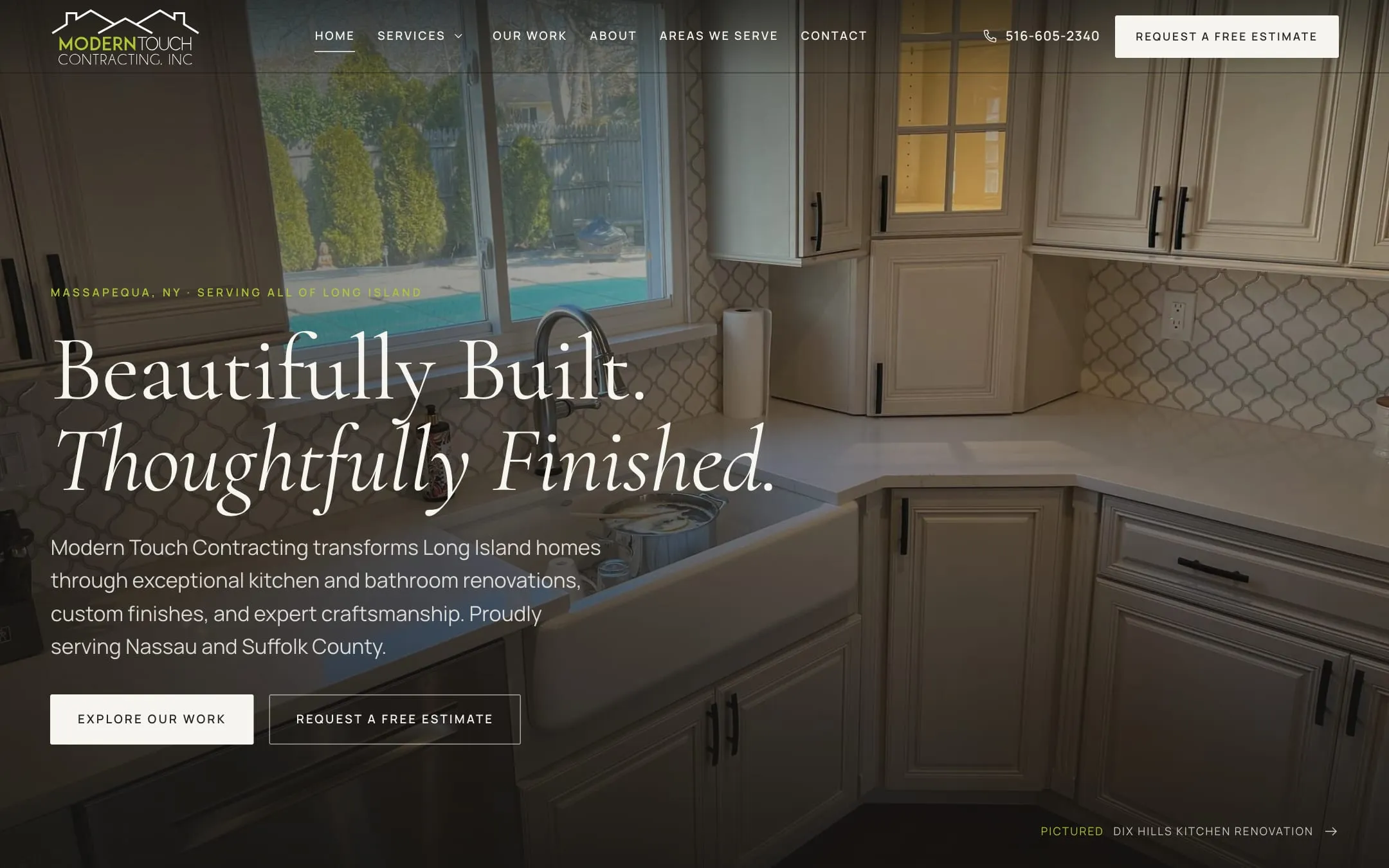
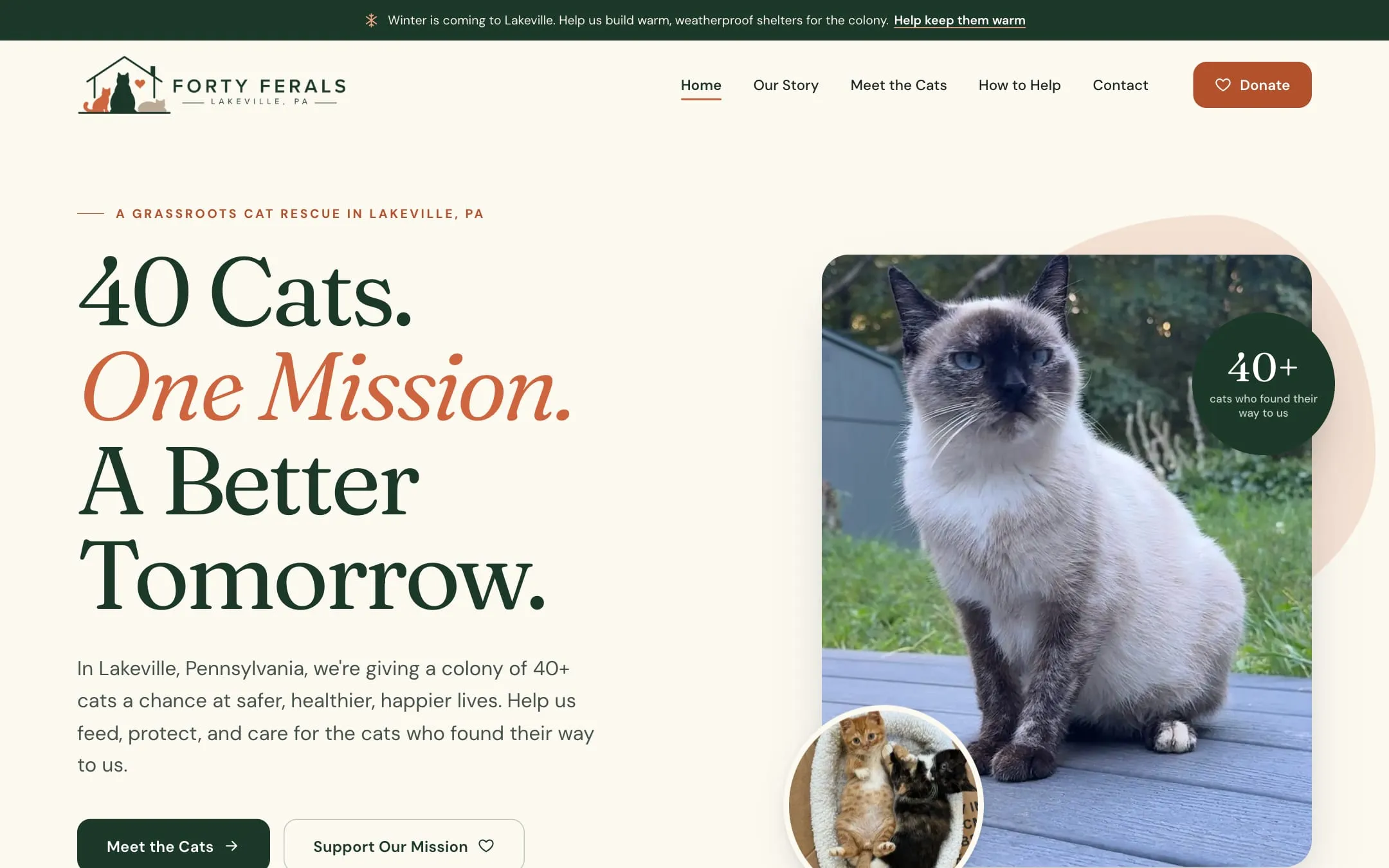
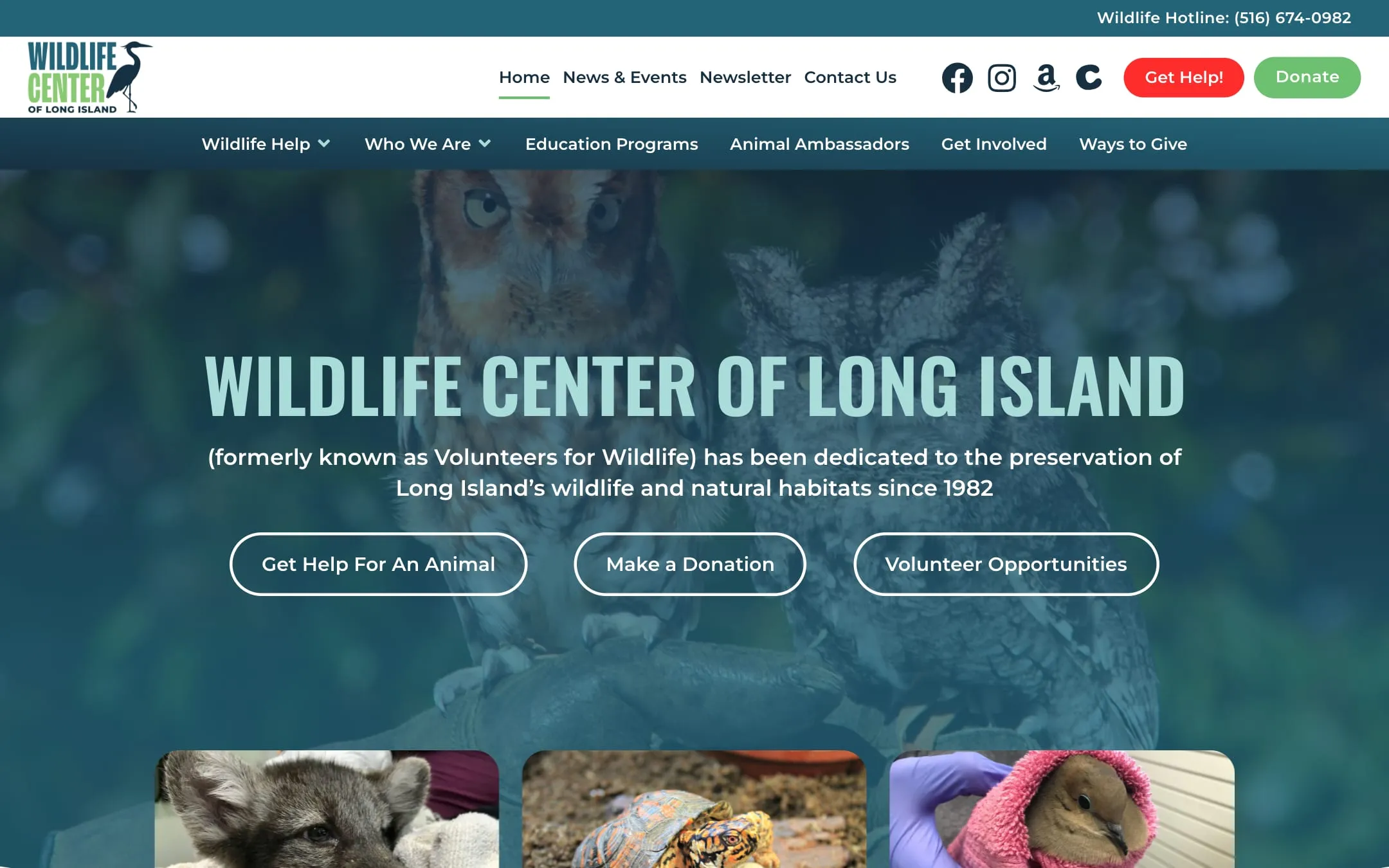
Related work
FAQ
Website Design: common questions
How much does a custom website cost?
It depends on the number of pages, how much custom functionality is involved and how much content help you need. Our starting prices are shown below. After a first conversation we send a fixed proposal with a clear scope, so you know the cost before anything starts.
How long does a website project take?
It mostly depends on scope and how quickly content and feedback come together. A focused small business site moves faster than a large site with lots of integrations. We set out a schedule in the proposal, and the most common cause of delay is waiting on content, so we help with that early.
Do you build everything on WordPress?
No. We build on WordPress or modern development frameworks, depending on the project. WordPress suits businesses that want to edit lots of content themselves or need its plugin ecosystem. Lighter builds can be faster and need less upkeep. We’ll recommend one and explain why.
Will I be able to update the site myself?
Yes. We set up editing so the things you change often, like text, images, team members, projects or blog posts, are easy to change without breaking the design. You get a walkthrough at launch. If you’d rather not touch it, a maintenance plan or retainer covers updates.
Do you write the content?
We can. Some clients send detailed notes and we shape them into page copy. Others have copy already and want it tightened. Either way, we plan the content before design starts, because a site designed around placeholder text rarely works once the real words arrive.
Who owns the website when it’s finished?
You do. Once the project is paid, the site, its content and the domain are yours. We make sure you have access to your hosting, domain and analytics accounts rather than holding them hostage.
Let’s design a site that could only be yours.
Tell us what you’re working on. You’ll hear back from Andrew directly, usually with a few questions and a clear next step.
Tell Us About Your Project